
Debunking common myths about gambling What you really need to know
Understanding the Basics of Gambling
Gambling is often surrounded by a cloud of misconceptions that can lead to misunderstandings about how it truly operates. Many people believe that gambling is purely based on luck, ignoring the important role that skill and strategy can play. While chance does factor into outcomes, particularly in games like slot machines, other games such as poker or blackjack require considerable knowledge and expertise. For those seeking a thrilling experience, chicken-road-game.co.nz offers an exciting adventure that combines chance with strategy. Understanding the mechanics of these games is crucial for anyone looking to engage in gambling responsibly.
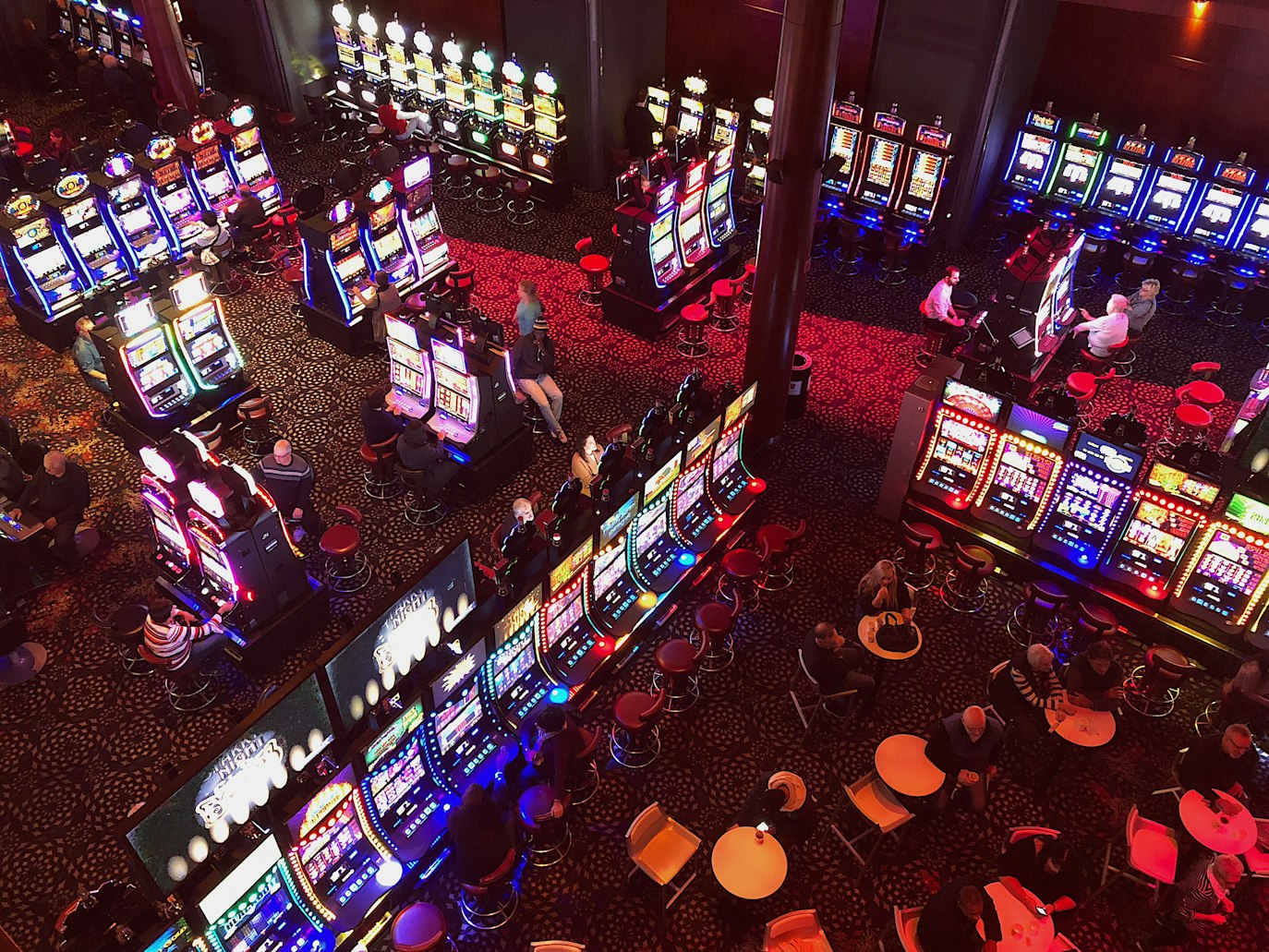
Another common myth is that gambling is always a surefire way to win money. In reality, most gambling activities are designed to favor the house, meaning that the odds are typically against the player. This does not mean that winning is impossible, but it is essential to approach gambling with realistic expectations and a clear understanding of the risks involved. Knowledge and awareness can significantly enhance the experience and promote a healthy attitude toward gambling.
Myths About Gambling Addiction
One of the most damaging myths surrounding gambling is that it only affects a small percentage of gamblers. In truth, gambling addiction can impact anyone, regardless of background or experience. The idea that only ‘problem gamblers’ experience issues creates a false sense of security for many. Recognizing the potential for addiction and being aware of the signs can help individuals maintain control and enjoy gambling in moderation.
Moreover, the stigma associated with gambling addiction can discourage individuals from seeking help. It is important to normalize conversations about gambling behavior and its potential consequences. Open discussions can lead to better awareness and support systems for those struggling, ultimately benefiting both individuals and the broader community.
The Role of Strategy in Gambling
Many people believe that all gambling outcomes are purely random, but the reality is more nuanced. Certain games allow for strategic play, which can influence the odds and improve a player’s chances of winning. Understanding game mechanics, betting strategies, and probabilities can significantly enhance the player’s experience. For instance, in games like poker, player skill can be the decisive factor in winning, making it a game of both luck and strategy.
This myth often leads to underestimating the importance of practice and study. Players who dedicate time to understanding the intricacies of their chosen games are often more successful than those who rely solely on chance. Resources are available for learning strategies, and players should take advantage of these tools to elevate their gambling game.
The Influence of Superstitions on Gambling
Superstitions and gambling go hand-in-hand, with many players relying on rituals or beliefs to influence their luck. From wearing lucky socks to choosing specific numbers, these practices are often dismissed as mere whims. However, the psychological impact of superstitions should not be overlooked. Believing in luck can enhance a player’s enjoyment and emotional investment in the game, even if it has no real bearing on outcomes.
It’s essential to maintain a healthy perspective on these beliefs. While they can enhance the excitement of gambling, relying too heavily on superstitions can lead to poor decision-making. Players should be mindful of the fine line between fun rituals and the unrealistic expectation that they can change the odds in their favor.

Exploring Responsible Gambling
As you navigate the world of gambling, understanding responsible gambling practices is vital. Many individuals mistakenly believe that gambling is harmless fun, leading them to ignore the importance of setting limits. Establishing personal boundaries regarding time and money spent can help ensure a positive experience. It’s crucial to recognize when gambling stops being enjoyable and starts becoming a source of stress.
Moreover, many resources are available to support responsible gambling, including self-exclusion programs and counseling services. Awareness of these options can empower individuals to seek help if they find themselves struggling. Responsible gambling is about enjoying the thrill without compromising financial security or emotional well-being.